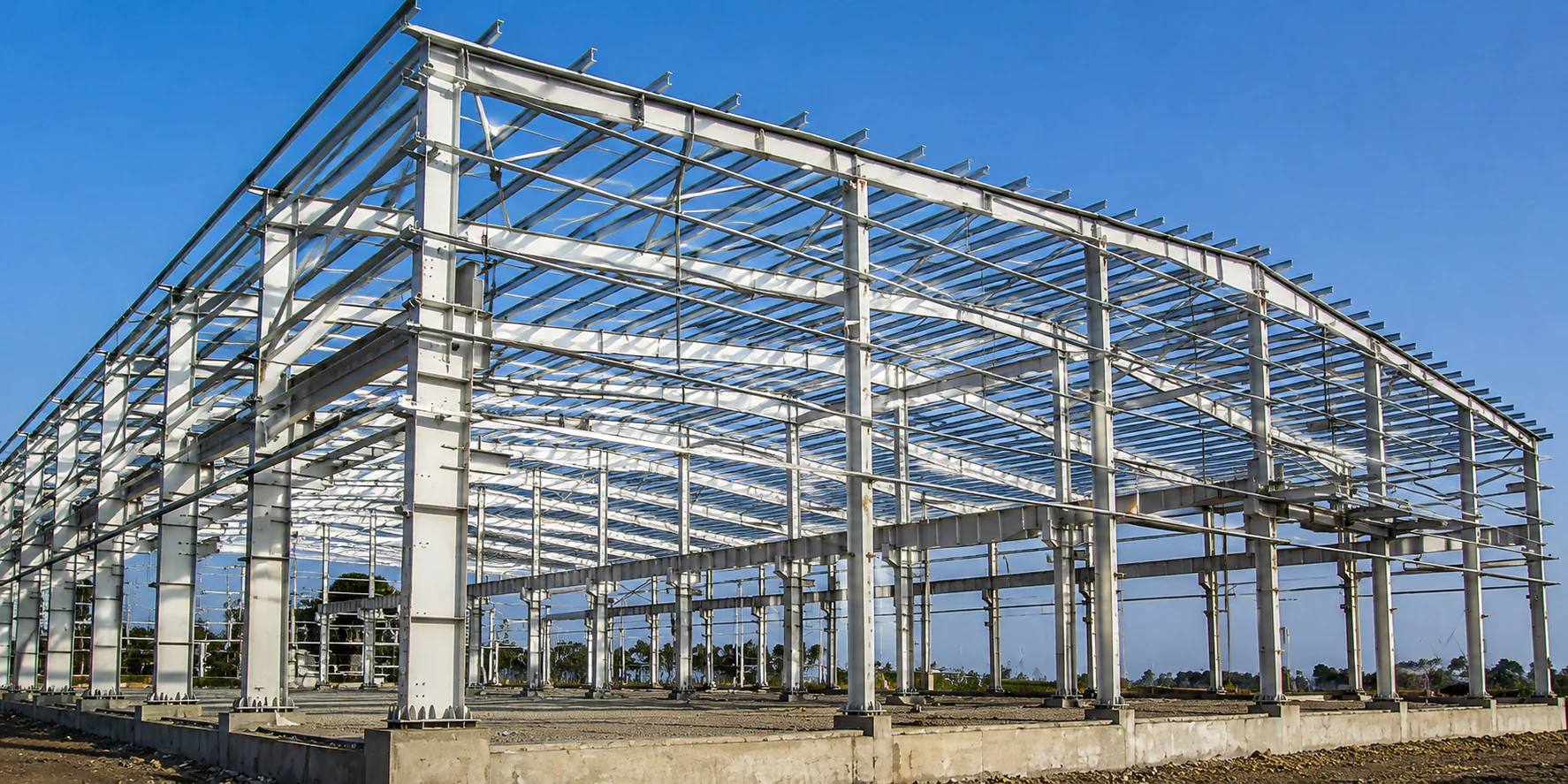
Design Load Consideration Services In Indore
Are you planning an industrial building, factory shed, warehouse or pre-engineered building and looking for reliable Design Load Consideration Services In Indore? Proper load consideration is one of the most important stages of structural engineering because it helps determine the strength, stability, safety and performance of a building.
Rajpoot PEB Creation offers PEB-related structural planning and building solutions for industrial and commercial projects. Design load consideration plays an important role in planning steel structures according to their dimensions, intended usage, location and operating requirements.
Every building experiences different types of loads throughout its service life. These may include the self-weight of structural components, roof loads, wind pressure, earthquake forces, equipment loads and additional loads generated during construction or installation.
For this reason, structural load assessment should be carried out before finalising the building design, steel sections, connections and foundation requirements.
Types Of Design Loads Considered In PEB & Steel Structures
Different loads must be evaluated according to the building's purpose, structural configuration and applicable engineering standards.
1. Dead Load Consideration
Dead loads are permanent loads acting on a structure. They include the self-weight of steel frames, columns, beams, purlins, roof sheets, wall cladding, insulation and other permanently installed components.
Accurate dead load calculation helps engineers determine the permanent weight that the structure and foundation must support.
2. Live Load Consideration
Live loads are temporary or movable loads that may act on a building during its normal use. These can include maintenance personnel, movable equipment, stored materials and other imposed loads.
For industrial buildings, the intended occupancy and usage must be considered while determining the appropriate live loads.
3. Wind Load Consideration
Wind loads are particularly important for industrial sheds, warehouses and large-span steel structures. Wind pressure and suction can affect roofs, walls, columns, frames and structural connections.
Wind load assessment considers factors such as basic wind speed, building height, terrain category, topography, building geometry and pressure coefficients according to applicable design provisions.
4. Seismic Load Consideration
Seismic loads are associated with earthquake-related ground movement. Structural design should consider the applicable seismic parameters, building importance, structural system and relevant provisions for the project location.
Proper seismic consideration helps engineers evaluate the building's response to earthquake forces.
5. Roof Load Consideration
Industrial roofs may experience several types of loads, including roof sheeting weight, insulation, maintenance loads, suspended services and additional equipment.
Solar panels, HVAC equipment and other rooftop installations should also be considered when specified in the project requirements.
6. Crane & Equipment Load Consideration
Factories and manufacturing units may require overhead cranes, hoists, heavy machinery and other equipment. Their vertical and horizontal forces, impact effects and operating requirements must be included in structural planning wherever applicable.
7. Erection & Construction Load Consideration
Temporary loads can develop during material storage, lifting, positioning and installation of structural components. Proper consideration of erection loads and temporary bracing helps maintain structural stability during construction.
Important Factors Involved In Design Load Assessment
-
Building length, width and overall height
-
Roof slope and structural configuration
-
Location-specific wind conditions
-
Building usage and occupancy requirements
-
Roof and wall cladding specifications
-
Crane capacity and machinery requirements
-
Solar panel and additional equipment loads
-
Structural material specifications
-
Foundation and support conditions
-
Applicable safety factors and load combinations
Why Choose Rajpoot PEB Creation For Design Load Consideration In Indore?
Proper design load consideration supports the planning of reliable and functional PEB structures. Rajpoot PEB Creation focuses on PEB-related building requirements and structural planning for industrial and commercial applications.
Project-Based Structural Planning: Consider the building dimensions, usage, location and operating requirements before finalising structural arrangements.
Industrial Building Requirements: Load considerations are important for factories, warehouses, workshops, manufacturing units and large-span industrial sheds.
PEB Structural Requirements: Evaluate the loads acting on primary frames, secondary members, roofing systems and other structural components.
Equipment & Additional Load Planning: Consider requirements for cranes, machinery, solar panels and other additional installations when specified by the project.
Applicable Design Standards: Structural load assessment should follow relevant Indian Standards and their applicable amendments, along with project-specific engineering requirements.
Important Indian Standard references include:
-
IS 875 (Part 1): Dead loads and unit weights of building materials.
-
IS 875 (Part 2): Imposed or live loads.
-
IS 875 (Part 3): Wind loads on buildings and structures.
-
IS 875 (Part 4): Snow loads, where applicable.
-
IS 875 (Part 5): Special loads and load combinations.
-
IS 1893: Earthquake-resistant design provisions, as applicable.
-
IS 800: General requirements for the design and construction of steel structures.
The latest applicable editions, amendments and project-specific provisions should be verified by the responsible structural engineer.
Design Load Consideration Services In Rau, Indore & Nearby Areas
Rajpoot PEB Creation welcomes enquiries for PEB-related structural planning, industrial building and steel structure requirements from customers across Indore and nearby locations, including:
Indore, Rau, Shramik Colony, Ashok Vihar Colony, Sai Vihar Colony, Ram Rahim Colony, Pigdamber, Rangwasa, Silicon City, Kanupriya Nagar, Kamal Nagar, Kamayani Nagar, Nihalpur Mundi, Gurukul Colony, Siddhipuram Colony, Sai Sagar Colony, New Nehru Nagar, Rajendra Nagar, Bijalpur, Umariya, Jhoomer Ghat, Sai Nature Colony, Saptshrangi Colony, Pithampur Road, Rau CAT Road, AB Road Rau, Rau Circle, Rau Main Market, IIM Indore, Medicaps University and Rau Railway Station.
Frequently Asked Questions
Q1. What is design load consideration in structural engineering?
Design load consideration is the process of identifying and evaluating the different forces acting on a building or structure. It helps engineers determine the required structural capacity, member sizes and connection arrangements.
Q2. Why is load calculation important for PEB structures?
Load calculation helps ensure that PEB structures are designed to withstand expected dead loads, live loads, wind forces, seismic effects and other project-specific loads.
Q3. Which loads are considered in industrial building design?
Common loads include dead loads, live loads, wind loads, seismic loads, roof loads, crane loads, equipment loads and erection loads.
Q4. How are wind loads considered in Indore?
Wind loads are assessed using the applicable basic wind speed and other location-specific factors, including building height, terrain, topography and structural geometry, in accordance with the relevant design standard.
Q5. Are crane loads included in PEB structural design?
Yes. If a building is designed to support overhead cranes or hoists, their vertical loads, horizontal forces, impact effects and operating requirements should be included in structural calculations.
Q6. Which Indian Standards are used for design load consideration?
IS 875 covers different categories of building loads, while IS 1893 addresses earthquake-resistant design and IS 800 covers steel structure design requirements.
Q7. Are solar panel loads considered during PEB design?
Yes. If solar panels are planned for the roof, their weight and associated installation requirements should be considered during structural planning.
Q8. Who should prepare structural load calculations?
Structural load calculations should be prepared and checked by qualified structural engineering professionals using the applicable standards, project information and engineering design procedures.
Conclusion
Proper design load consideration is essential for planning safe, stable and efficient industrial buildings. Whether you are developing a factory, warehouse, industrial shed or pre-engineered building, evaluating all relevant loads helps establish the correct structural design requirements.
Rajpoot PEB Creation offers PEB-related building solutions for projects in Indore and surrounding areas. Contact the team to discuss your industrial building requirements and explore suitable structural planning solutions.